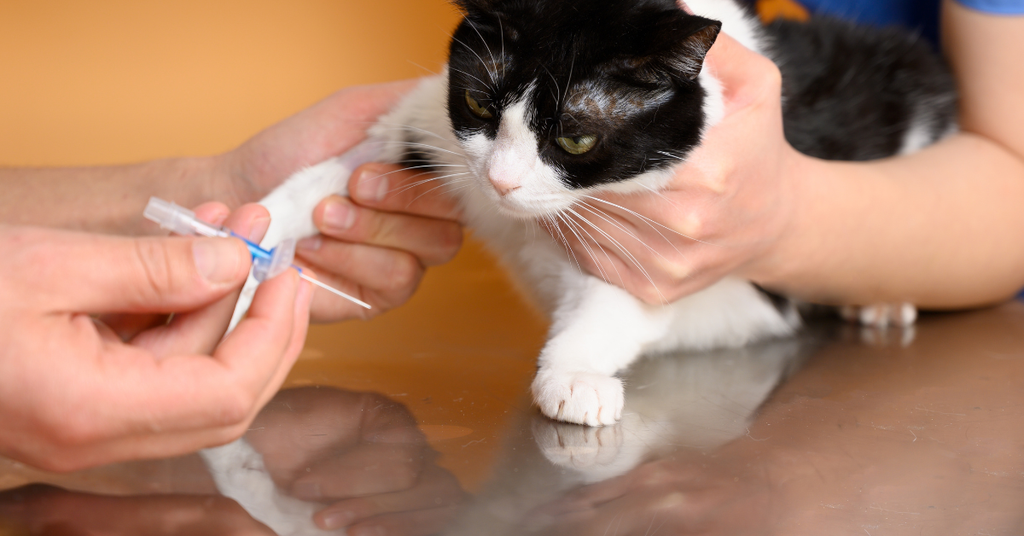
What are intraoperative I.V. fluids?
These are fluids given intravenously (into the bloodstream) before, during, and after a
procedure/anaesthetic.
What are the key benefits of providing I.V. fluids?
At Mowbray Veterinary Clinic all of our patients undergoing anaesthesia are given I.V. fluids for one or more of the following reasons:
- I.V. fluid lines provide a direct access line for emergency drugs if needed during surgery
- I.V. fluids combat low blood pressure (hypotension), which is a side effect of anaesthetic drugs
- Low blood pressure events can affect blood flow to vital organs such as the kidneys, liver and brain.
- Our anaesthetic team will adjust your patient’s fluid rate during the procedure depending on live blood pressures taken during the surgery
- I.V. fluids replace any fluids lost during surgery (eg. Bleeding)
- I.V. fluids correct electrolyte imbalances
- I.V. fluids correct any dehydration prior to surgery, especially in the event of an emergency where we cannot wait for the dehydration to be corrected fully
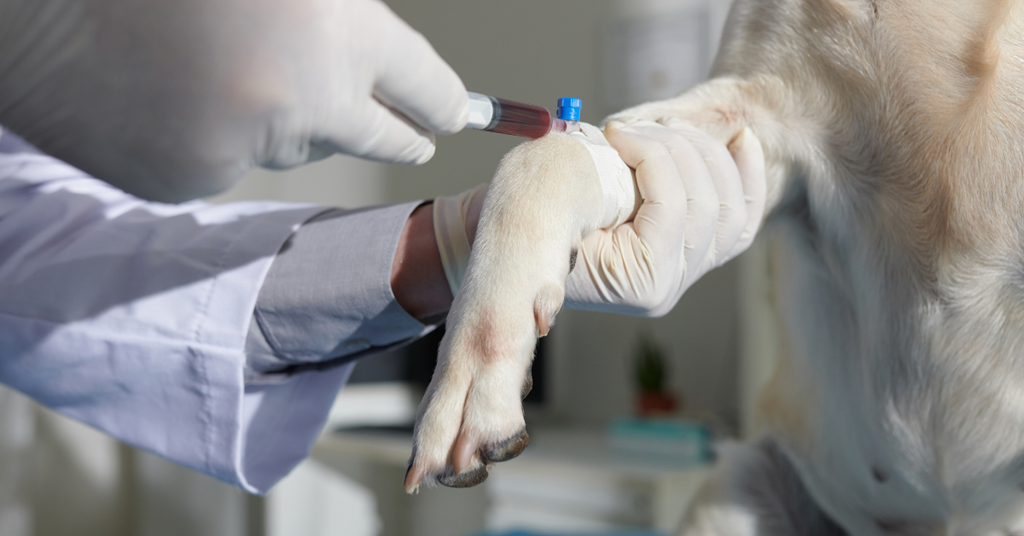
What are Pre-Anaesthetic Blood Tests?
Pre-anaesthetic blood tests are screening tests to check for organ damage or red and white cell changes prior to surgery.
Why should I perform blood tests on my pet before anaesthesia/surgery/dental?
We recommend blood tests for all our pets having anaesthesia to increase the safety for that pet.
Blood tests assess
- Red cell counts – low red cells might indicate bleeding or issues with bone marrow or chronic disease
- White cell counts – high or low white cell counts may indicate infection
- Platelet Numbers – low platelet numbers can create bleeding problems during surgery or dentistry
- Kidney Damage – can cause further damage by proceeding with anaesthesia if a high grade or if poorly hydrated
- Liver Damage – can affect the body’s ability to metabolise drugs and recovery post-surgery
- Protein and Electrolyte Abnormalities
Performing blood tests helps us assess the risk to your patient before they are under anaesthesia. Our vets will discuss these risks with you prior to proceeding if they are concerned.
Are blood tests more important in older patients?
Blood tests are important in pets of every age.
Older pets are more likely to have age-related diseases, many of which are undetected prior to performing blood tests. We need to know about these changes in case anaesthesia has a negative impact on your pet due to their abnormal blood tests. Sometimes an anaesthetic is delayed due to your pet needing further tests or treatments prior to proceeding.
Here are some important pre-surgery questions that our customers like to discuss with our vets.